 Pin it
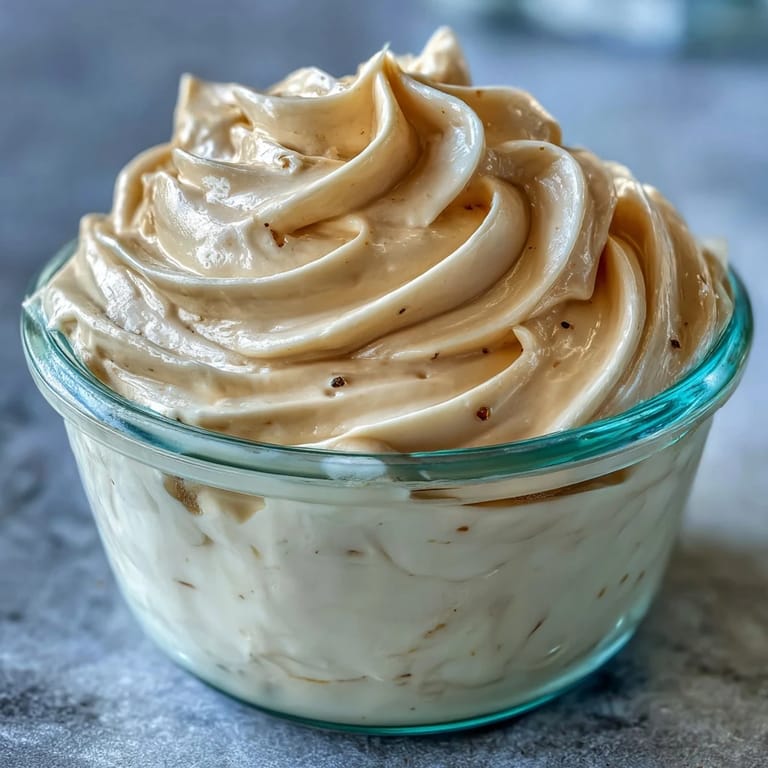
 The first time I tried making mayonnaise with an immersion blender, the kitchen was filled with that satisfying hum and anticipation. Oddly enough, what grabbed my attention wasn’t the miracle of emulsification but the sharp scent of mustard mixing with lemon. I’d always imagined mayo was mystical somehow—reserved for grandmothers and restaurant kitchens—but it turns out, it’s gloriously doable on a whim. A friend visiting from overseas saw me fumbling with store-bought jars and insisted it all could be whipped up fresh in five minutes flat. She was right, and now, this foolproof mayo is my secret weapon when the fridge feels empty but the sandwich cravings hit.
One rainy Saturday, I made a batch for my partner while we were planning picnic sandwiches, and the sound of the blender practically drowned out our playlist. We ended up dunking carrot sticks in the mayo straight from the jar, laughing over the mess. The kitchen felt brighter, and the mayonnaise starred in almost every meal that week—salads, dressings, even as a dip for fries.
Ingredients
- Egg (room temperature): Essential for thickening; if it's too cold, the blend won’t emulsify as beautifully.
- Dijon mustard: Adds a gentle kick and helps bind everything; sometimes I go a little heavy-handed, and it pays off.
- White wine vinegar or lemon juice: The acidity keeps mayo bright and tangy; fresh lemon juice lifts the flavor more than bottled.
- Neutral oil (sunflower, canola, light olive oil): The right oil makes or breaks the taste; avoid anything too strong, or the mayo can turn bitter.
- Fine sea salt: A pinch wakes up all the other ingredients; I learned the hard way that coarse salt doesn't dissolve as quickly.
- Freshly ground black pepper (optional): Just a dash for subtle warmth; it’s one ingredient I add only when the mood strikes.
Tired of Takeout? 🥡
Get 10 meals you can make faster than delivery arrives. Seriously.
One email. No spam. Unsubscribe anytime.
Instructions
- Prepare Your Ingredients:
- Crack the egg into a tall, narrow container, then add mustard, vinegar or lemon juice, salt, and pepper. Pause for a moment—the combination smells sharp and inviting.
- Add the Oil:
- Slowly pour the oil on top of the egg mixture, watching it layer neatly before you blend.
- Start Blending:
- Push the immersion blender all the way down, turn it on, and hold steady for about ten seconds as the base thickens and turns creamy.
- Emulsify Fully:
- Gently move the blender up and down, incorporating the oil until the mayo is glossy and smooth—about half a minute suffices.
- Taste and Adjust:
- Scoop up a little and taste; tweak salt or acid as desired for just the right balance.
- Jar and Chill:
- Transfer the mayo to a clean jar, seal tightly, and pop it in the fridge. That first spoonful is always the most satisfying.
 Pin it
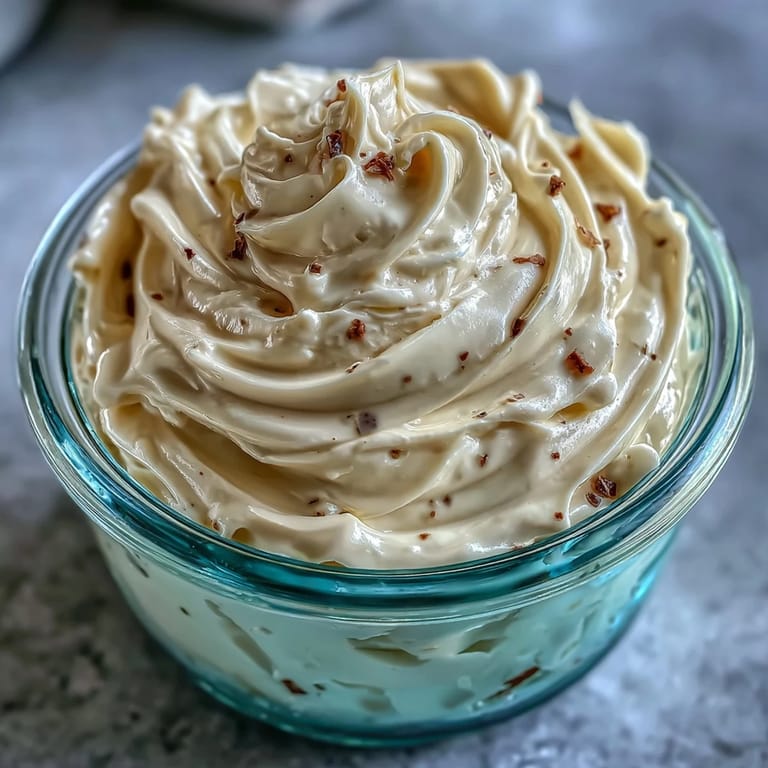
 Sharing homemade mayo at the table, I noticed everyone reaching for seconds—there's a quiet joy when people really taste the difference. It made ordinary meals feel like celebrations, and suddenly, even simple veggie trays disappeared faster.
How to Customise Your Mayo
Sometimes I toss a small garlic clove in for instant aioli, or mix in fresh herbs from the windowsill for zing. Spices—smoked paprika, chili flakes, even curry powder—can turn basic mayo into a spread that's sublime. Don’t be shy about experimenting; mild oils let the extras shine.
Keeping Your Mayo Safe and Fresh
Pasteurized eggs keep things safe for everyone, especially when kids are involved. Always label the jar with the date—it’s honestly easy to forget, since homemade mayo tends to vanish within days. If it gets watery or smells off, just start over; it’s fast enough not to fret.
Troubleshooting and Storage Tricks
There were times my mayo refused to thicken, so I learned to add another egg yolk and blend again. Keeping the blender at the base before lifting ensures a smooth start to emulsifying. If you want to stretch the recipe for a crowd, doubling the amounts works, but use extra care to blend slowly and thoroughly.
- If the mayo won’t thicken, add a little more mustard and keep blending.
- Don’t rush adding more oil; patience makes the difference.
- Always store in a clean jar to avoid cross-contamination.
 Pin it
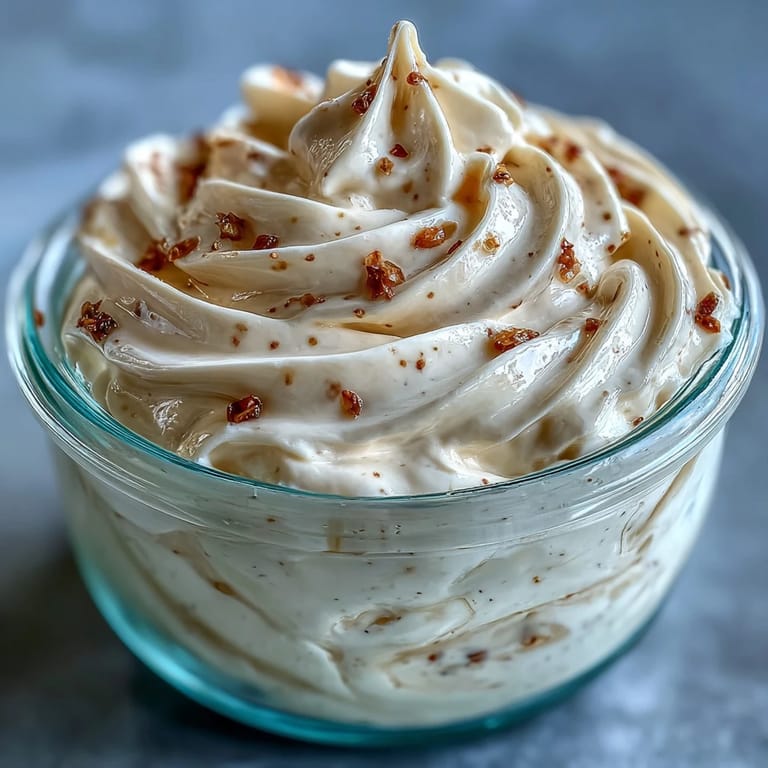
 Homemade mayo always invites conversation and smiles—quick to make, quick to disappear. Hope it becomes your go-to, just like it is mine.
Common Questions
- → Can I use any type of oil?
Neutral oils such as sunflower, canola, or light olive oil work best, while strong-flavored oils change the taste.
- → How can I make the mayonnaise tangier?
Increase vinegar or lemon juice up to 2 teaspoons for extra tanginess and brightness in flavor.
- → Is it safe to use raw eggs?
Use pasteurized eggs for food safety, especially if serving to vulnerable individuals.
- → How long does homemade mayonnaise last?
Store in a sealed jar for up to one week in the refrigerator for best quality and freshness.
- → Can I add other flavors?
Add garlic for aioli, extra mustard, herbs, or spices to personalize taste and style.
- → What tools do I need?
An immersion blender and a tall, narrow container are essential for proper emulsification.
- → Can I substitute lemon juice for vinegar?
Yes, lemon juice can be used instead of vinegar for a fresher, citrus-forward profile.