 Pin it
 My grandmother pulled out these sandwiches every Derby Day, arranged on her good china with the precision of someone who'd made them a hundred times. The pale green spread caught the afternoon light filtering through her kitchen window, and I remember being surprised that something so elegant required almost no cooking. She'd squeeze the cucumber dry with theatrical flair, as if wringing out the secret to sophistication itself.
Years later, I made these for a Spring brunch at my own table, and my daughter bit into one expecting something fancy and complicated. When she realized it was just cream cheese and cucumber, she asked why restaurants charged so much for simplicity. That's when I knew I'd gotten the point of them right—they're not about showing off, they're about letting good ingredients do their gentle work.
Ingredients
- 1 large English cucumber, peeled and seeded: English cucumbers have thinner skin and fewer seeds than regular ones, which means less water and a cleaner flavor that won't waterlog your bread.
- 8 oz cream cheese, softened: Cold cream cheese gets lumpy; let it sit on the counter for 20 minutes and it spreads like dreams.
- 2 tablespoons mayonnaise: This isn't about adding flavor—it's your secret weapon for keeping the spread from separating and staying silky smooth.
- 2 tablespoons finely chopped fresh dill: Fresh dill matters here in a way that dried simply cannot match; its brightness is half the charm.
- 1 tablespoon finely chopped chives: A whisper of onion flavor without the bite; they dissolve into the spread so you taste them rather than encounter them.
- 1 tablespoon grated onion: Use a microplane or the finest grater holes, and the onion practically disappears into the texture while adding depth.
- 1/4 teaspoon salt and 1/8 teaspoon ground white pepper: White pepper stays invisible while enhancing everything else; it's the polite choice for pale, delicate spreads.
- 2–3 drops green food coloring (optional): Purists skip this, but it gives you that traditional pale green that looks like spring itself.
- 12 slices very fresh white sandwich bread: Day-old bread falls apart; fresh bread holds together and has a tender crumb that won't fight your teeth.
- 2 tablespoons unsalted butter, softened: A thin butter layer creates a moisture barrier so the spread doesn't soak through and turn the bread to paste.
Tired of Takeout? 🥡
Get 10 meals you can make faster than delivery arrives. Seriously.
One email. No spam. Unsubscribe anytime.
Instructions
- Wring out the cucumber like you mean it:
- Grate it on the fine side of your box grater, then gather it in a clean kitchen towel and squeeze hard—I mean really commit to it. You're removing water that would otherwise make everything soggy and sad.
- Build your base:
- Combine the softened cream cheese, mayonnaise, dill, chives, grated onion, salt, and white pepper in a bowl. Stir until it's completely smooth; lumps in cream cheese will never disappear, so take an extra 30 seconds here.
- Fold in the cucumber and add color:
- Mix the drained cucumber into your spread until it's evenly distributed. If you're using food coloring, add it a drop at a time and stir until the color looks like spring—pale green, never neon.
- Butter your bread if you're thinking ahead:
- A thin spread of softened butter on one side of each slice acts as a seal, keeping the Benedictine mixture from soaking through the bread. It's optional but worth the extra 30 seconds.
- Spread and build:
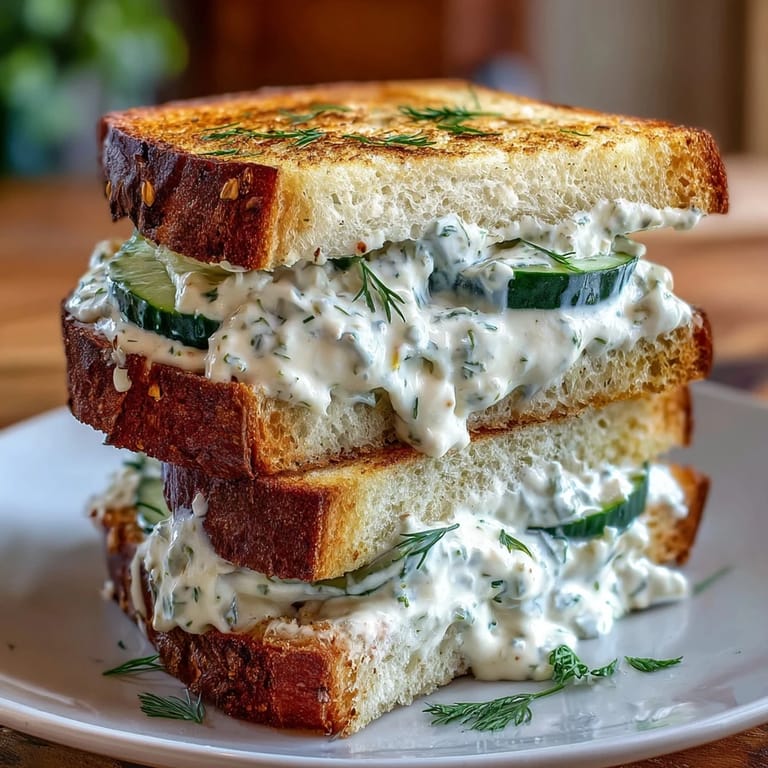
- Lay out half your bread slices and spread a generous layer of the mixture on each one—be generous, this is the whole point. Top with the remaining bread slices and press down gently so everything stays in place.
- Cut with intention:
- Remove the crusts first with a sharp, serrated knife using a gentle sawing motion that doesn't compress the bread. Cut each sandwich into four pieces—rectangles or triangles, depending on your mood and your grandmother's tradition.
- Rest or serve:
- Serve immediately if you want that perfect soft bread experience, or cover with a damp paper towel and plastic wrap and refrigerate until serving. They'll keep for a few hours; any longer and the bread starts to soften in ways that feel sad.
 Pin it
 I served these at a baby shower once where everyone was eating fancy finger foods and talking about recipes they found online. Someone asked for mine, and when I told them it was just cream cheese and cucumber, they looked almost disappointed. But then they tasted one and went quiet—that moment when simplicity wins every time.
The Art of Cucumber Prep
The English cucumber is your friend here because its thin skin and small seeds mean less waste and less moisture to deal with. Peel it gently so you're not removing too much flesh, then run a small spoon down the center to scoop out the seed line. That little gesture—the seeding—separates these from ordinary cucumber sandwiches and keeps them from turning into sodden disasters.
Why Benedictine, Actually
Nobody quite knows where the name comes from; some say a Louisville caterer named it after Benedictine liqueur, others swear it was named after the Benedictine monks for their quiet, humble simplicity. What matters is that it's been a Kentucky Derby tradition for over a century, served at brunches where mint juleps and big hats outnumber regular conversations. These sandwiches are the quiet diplomats of fancy brunch, doing their job without demanding attention.
Making These Ahead (and Why You Should)
The Benedictine spread can be made a full day ahead and keeps beautifully in the refrigerator, which means you can focus on the actual entertaining instead of panicking about preparation. I usually make the spread the night before, then assemble the sandwiches about an hour before guests arrive—it's the perfect balance of convenience and freshness. Cover them properly with a damp towel and plastic wrap, and they'll stay perfect through an entire party without turning into bread sculptures.
- Assemble no more than two hours before serving for the best texture and taste.
- Keep them covered and cool until the exact moment you arrange them on your platter.
- The spread will stay fresh in the refrigerator for up to three days if you haven't assembled the sandwiches yet.
 Pin it
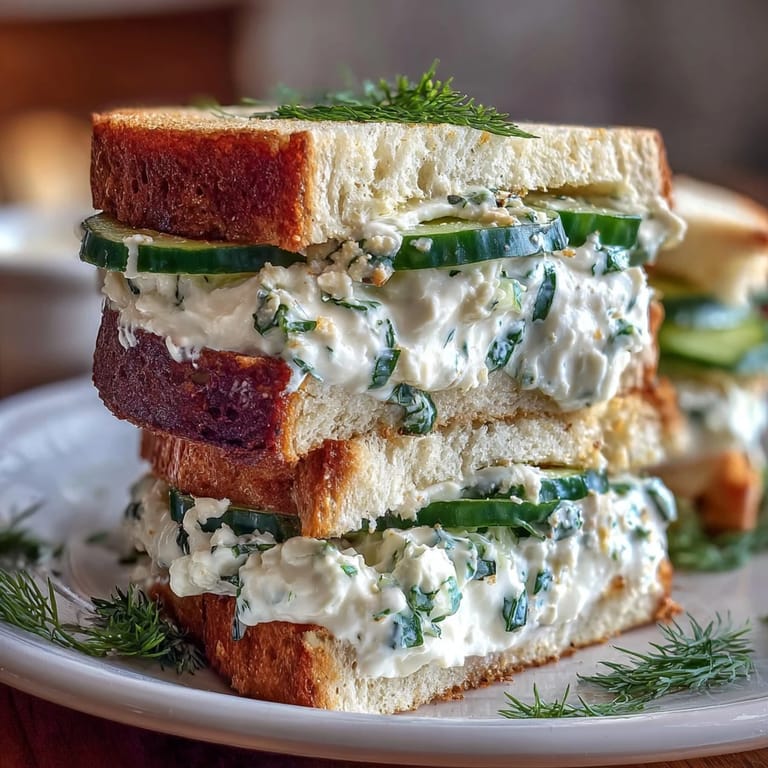
 These sandwiches remind us that elegance isn't complicated—it's just cream cheese, cucumber, and the care you take in squeezing out the water. Make them whenever you need to feel a little more refined, or whenever you want to prove that simple things done well are always the most impressive.
Common Questions
- → How do I prevent the sandwiches from becoming soggy?
Lightly buttering one side of each bread slice before assembling helps create a barrier, keeping moisture from soaking into the bread.
- → Can I make the spread in advance?
Yes, the spread can be prepared a day ahead and refrigerated to enhance flavors and save time.
- → What breads work best for these sandwiches?
Traditional white sandwich bread is preferred, but whole wheat or rye bread are great alternatives for variation.
- → Is there a way to intensify the flavor of the spread?
Adding fresh dill sprigs or thin cucumber slices on top adds a bright, fresh flavor and attractive presentation.
- → How should I prepare the cucumber for the spread?
Grate the cucumber finely, then squeeze out excess liquid using a kitchen towel or strainer to keep the spread from becoming watery.