 Pin it
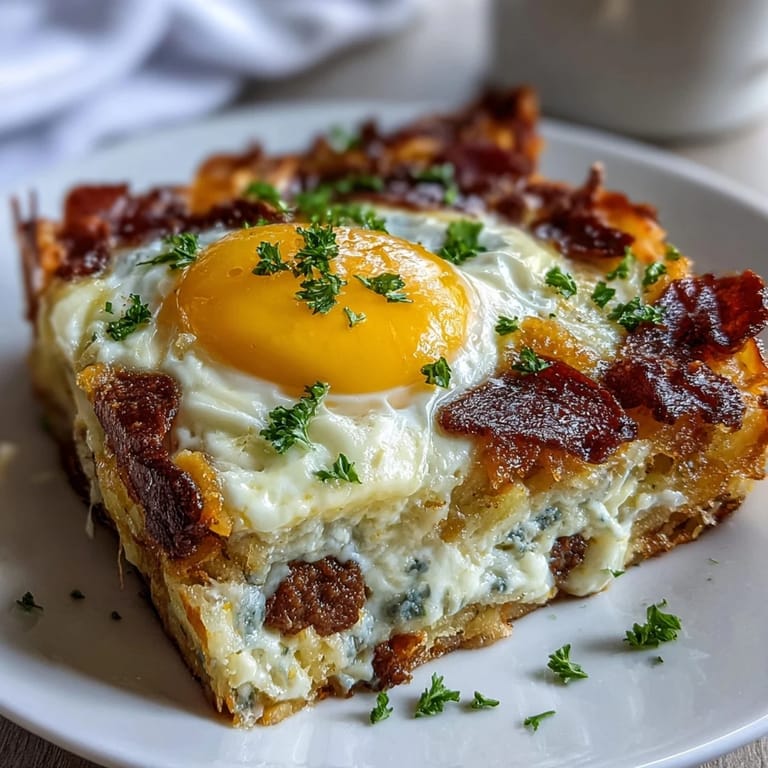
 My sister-in-law swore by this casserole years ago, showing up to our family reunions with a foil-covered dish that somehow fed everyone despite arriving half-thawed. I was skeptical until one morning she let me peek at her process—the night before, she'd layer everything methodically, cover it tight, and let time do half the work. What struck me wasn't just how easy it was, but how it freed her from frantic morning cooking while the oven hummed away, filling the kitchen with that savory, cheesy warmth that makes people gather faster than any dinner bell.
I made this for our church fundraiser breakfast two winters back, doubling the recipe to fill three baking dishes. Watching it come out of the oven golden and puffed, then watching the line of hungry faces as we sliced and served—that's when I understood why Amish cooks perfected this dish. It's humble enough for a weekday, impressive enough for a crowd, and tastes even better when you're feeding people who genuinely need feeding.
Ingredients
- Breakfast sausage (1½ pounds): Choose bulk sausage without casings so it browns evenly and distributes throughout the casserole; pork gives richer flavor, but turkey works for a lighter version.
- Onion and bell peppers: These soften during the overnight rest, creating subtle sweetness that balances the savory meat and cheese.
- Frozen hash brown potatoes (3 cups): Let them thaw completely beforehand—thawing in the casserole itself creates wateriness you don't want.
- Cheddar and mozzarella cheeses (3 cups combined): The cheddar carries sharp flavor while mozzarella helps bind everything together with its stretch.
- Whole milk (2 cups): This creates the custard base; don't swap for cream or it becomes too rich.
- Large eggs (12): These are the glue holding everything together, so use fresh ones for proper setting.
- Salt, pepper, garlic powder, smoked paprika: Smoked paprika adds a whisper of depth that guests never quite identify but always notice.
Tired of Takeout? 🥡
Get 10 meals you can make faster than delivery arrives. Seriously.
One email. No spam. Unsubscribe anytime.
Instructions
- Brown the sausage until no pink remains:
- Medium heat lets the meat cook through evenly without the edges crisping too fast—you'll hear it sizzle then settle into a gentle sizzle. Break it into walnut-sized pieces with your spoon so it distributes evenly instead of clumping into large chunks.
- Soften the vegetables in the same skillet:
- The sausage fat left behind carries all that savory flavor into the onions and peppers—don't drain the pan. They should be tender enough to easily pierce with a fork but still holding their shape.
- Layer the casserole dish like you're building something lasting:
- Hash browns first as your foundation, then sausage, then vegetables, then both cheeses scattered generously. This order ensures every bite has all the components instead of some forks finding only potato.
- Whisk the egg custard until completely combined:
- The eggs need to be uniform in color and texture so they set evenly—lumpy whisking means uneven cooking. Pour slowly and deliberately so it seeps into every gap rather than pooling on top.
- Refrigerate overnight, covered tightly:
- Eight hours minimum lets the potatoes absorb some of the egg mixture and flavors meld together. The foil keeps out any fridge smells from infiltrating your breakfast.
- Let it rest at room temperature before baking:
- Those fifteen minutes seem negligible but allow the cold casserole to warm slightly, ensuring more even cooking from center to edges. You'll notice it pulls slightly away from the dish edges when ready.
- Bake until the center is set but still tender:
- At 350°F, check around the 50-minute mark by inserting a knife near the center—it should come out clean or with just a tiny bit of custard clinging to it. The top should have gentle golden spots, not deep brown.
- Cool before serving so it holds together when sliced:
- Ten minutes feels short but is exactly right—this lets the egg fully set while the casserole is still warm enough to taste incredible.
 Pin it
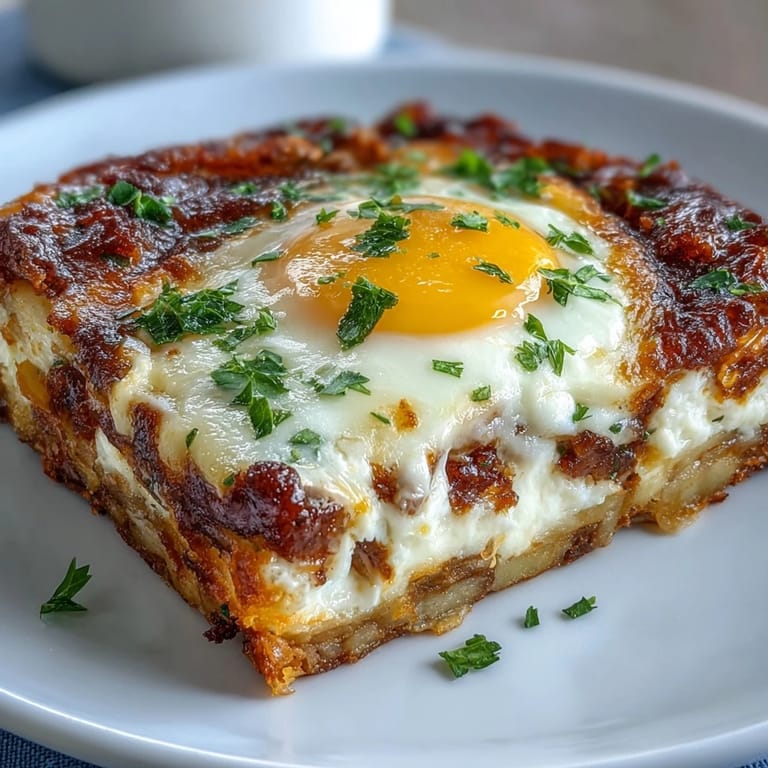
 My neighbor brought this casserole the week we brought our newborn home, and I remember eating it with one hand while the baby slept on my other shoulder, tasting nothing but grateful warmth. Food takes on a different meaning when someone else made it so you wouldn't have to think about dinner.
Timing and Make-Ahead Magic
The beauty of this dish lives in its flexibility—you can assemble it in the evening without stress, knowing tomorrow morning requires only preheating the oven. I've learned that the overnight rest actually improves texture; the bread-like structure some casseroles lack happens naturally here because the eggs have time to distribute evenly. Bake it the morning of serving for peak warmth and texture, or you can bake it the day before and reheat gently at 325°F for about twenty minutes, covered loosely with foil.
Flavor Variations and Additions
Once you understand the basic structure, this casserole becomes a canvas for your kitchen favorites and what's in your fridge. I've added mushrooms, spinach, diced tomatoes, jalapeños, and even leftover roasted broccoli without throwing off the balance. The key is keeping mix-ins to about two cups total—more than that dilutes the eggs and changes cooking time unpredictably. For vegetarian versions, skip the sausage entirely or use plant-based sausage, trusting the cheese and vegetables to carry savory depth.
Serving and Storage
Cut into twelve generous squares and serve hot from the oven, maybe with a side of salsa or hot sauce for those who like heat. Leftovers keep perfectly refrigerated for three to four days, and reheating individual servings in the microwave takes just ninety seconds. One final thought: this casserole freezes beautifully after baking—wrap cooled portions in foil and freeze up to three months, then thaw overnight in the fridge before reheating.
- Slice with a thin-bladed knife dipped in hot water between cuts for cleaner pieces.
- Pair with fresh fruit, toast, or a simple salad to round out the meal.
- Double the recipe without fuss if you're feeding more than twelve—just use two baking dishes and stagger them in the oven if needed.
 Pin it
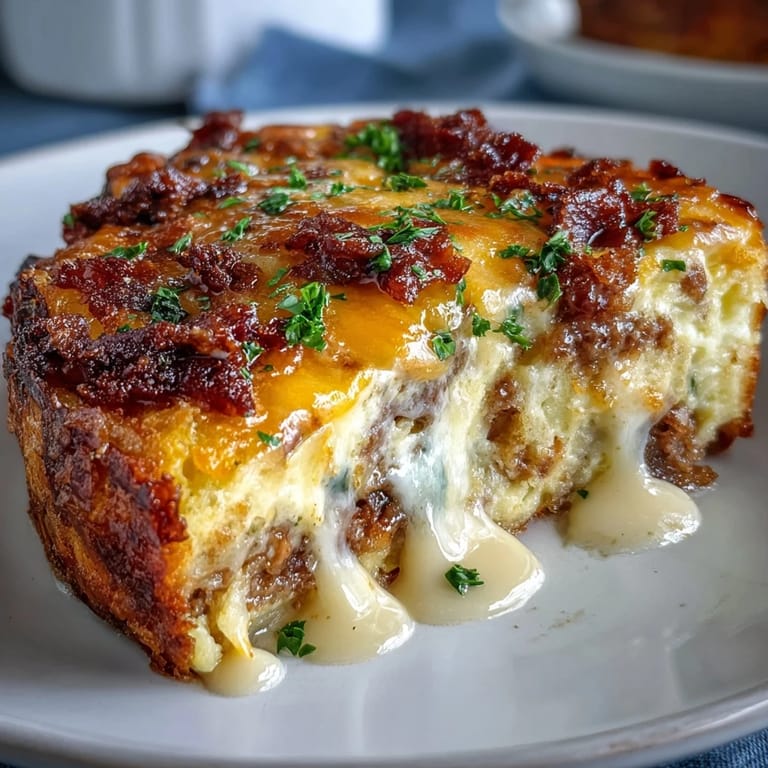
 This casserole has become my answer to almost every breakfast gathering—church potlucks, family reunions, weekend houseguests—because it never fails and somehow always tastes like home. Make it once and you'll understand why it's been feeding crowds for generations.
Common Questions
- → Can I prepare this dish ahead of time?
Yes, it is designed to be assembled the night before and refrigerated overnight to allow flavors to meld before baking in the morning.
- → What kind of sausage works best here?
Traditional pork breakfast sausage works well, though turkey or vegetarian sausage can be used as alternatives.
- → How do I prevent the casserole from becoming watery?
Make sure the frozen hash browns are fully thawed and drained if needed to avoid excess moisture in the dish.
- → Can I add extra vegetables to the dish?
Yes, mushrooms or spinach are great options to incorporate more flavor and nutrients into the casserole.
- → Is it possible to make a vegetarian version?
Simply omit the sausage or substitute it with a vegetarian alternative to suit dietary preferences.