 Pin it
 My neighbor stopped by on a chilly autumn afternoon with a bag of broccoli from her garden, and I found myself stirring a pot of something that turned into this soup by accident. The kitchen filled with that gentle, earthy smell of broccoli simmering in broth, and I realized I'd made something I'd want to eat again and again. What started as a way to use up vegetables became the kind of dish that makes you feel taken care of, even when you're cooking for yourself.
I made this for my sister during one of those mornings when she came over exhausted from work, and watching her take that first spoonful told me everything. She closed her eyes for a second, then asked for the recipe before she even finished the bowl. That's when I knew this wasn't just soup—it was the kind of thing people remember and ask you to make again.
Ingredients
- Broccoli florets (500 g, fresh or frozen): This is the star, so don't skip quality here; frozen works beautifully if fresh isn't available, and they cook just as tender in the broth.
- Medium onion, chopped: Onion builds the foundation of flavor—take time to chop it evenly so it softens at the same pace as everything else.
- Garlic cloves (2, minced): Mince it fine rather than crushing, so the flavor spreads evenly through the broth instead of becoming sharp and concentrated.
- Medium potato, peeled and diced: The potato thickens the soup naturally as it breaks down during cooking, giving you that velvety texture without needing cream alone.
- Medium carrot, peeled and diced: Carrots add sweetness that balances the earthiness of broccoli, and their natural sugars develop as they simmer.
- Vegetable broth (1 liter or 4 cups): Use a broth you actually like the taste of, since it becomes the backbone of everything—a good broth makes all the difference.
- Heavy cream (120 ml or ½ cup): Add this at the end after blending so it stays silky and doesn't break down from too much heat.
- Olive oil or unsalted butter (2 tbsp): Butter adds richness if you're not watching dairy, but olive oil keeps things lighter while still coating the pan beautifully.
- Salt and black pepper: Taste as you go—you may need more or less depending on your broth's seasoning already.
- Ground nutmeg (pinch, optional): A whisper of nutmeg is the secret that makes people ask what's in the soup, so don't skip it even though it seems small.
Tired of Takeout? 🥡
Get 10 meals you can make faster than delivery arrives. Seriously.
One email. No spam. Unsubscribe anytime.
Instructions
- Warm your base:
- Heat the oil or butter over medium heat and listen for that gentle sizzle when the onion hits the pan. Add the chopped onion and minced garlic, stirring them around until they turn translucent and fill your kitchen with their sweet, cooked smell—about 2 to 3 minutes.
- Build the vegetables:
- Toss in the diced potato and carrot, stirring occasionally for about 3 minutes so they start to soften and release their flavor into the fat. You'll notice the pot becoming more fragrant as the vegetables begin to caramelize slightly on their edges.
- Simmer until tender:
- Add the broccoli florets and pour in the vegetable broth, bringing everything to a boil before turning the heat down to a gentle simmer. Let it bubble quietly uncovered for 15 to 18 minutes—you're done when the broccoli is so tender it falls apart if you touch it with a spoon.
- Blend into velvet:
- Take the pot off the heat and use an immersion blender to blend everything until completely smooth, moving it slowly through the soup to catch all the vegetables. If using a standard blender, work in careful batches and never fill it more than halfway full.
- Finish with cream:
- Stir the heavy cream through the soup, then taste and adjust with salt, pepper, and just a pinch of nutmeg if you'd like that subtle warmth. Reheat gently on low heat if the soup has cooled, but don't let it boil once the cream is in.
- Serve with intention:
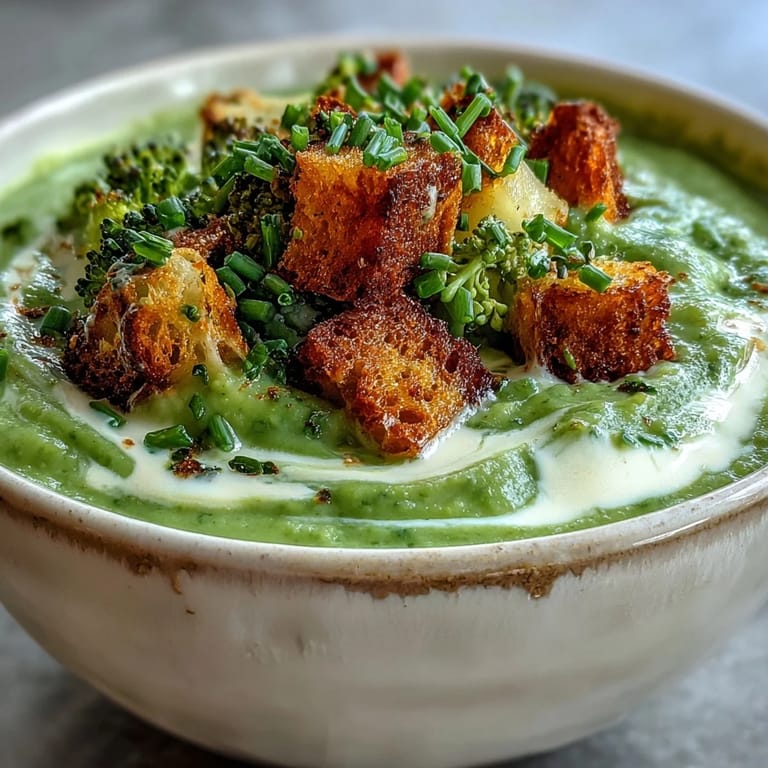
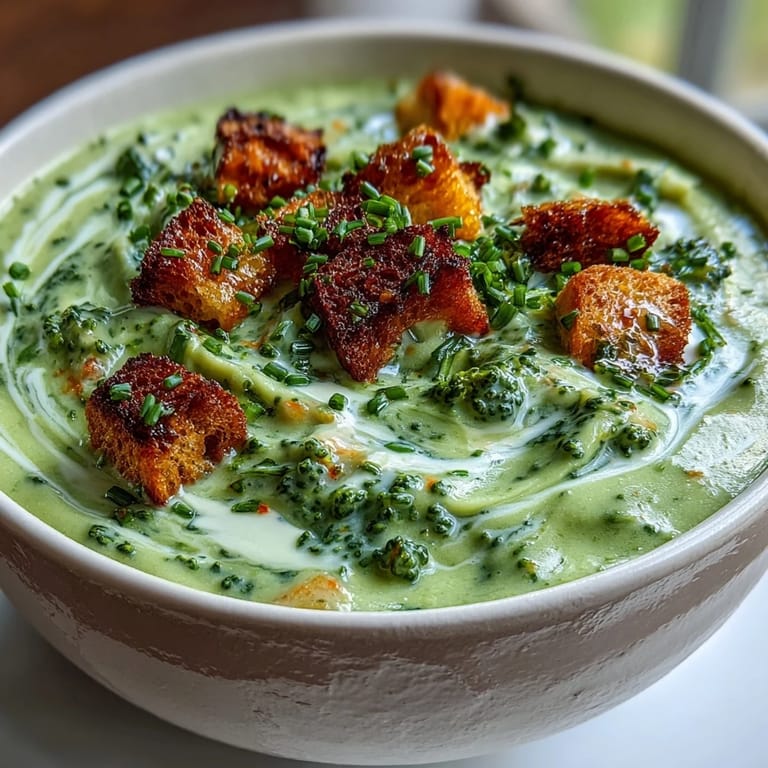
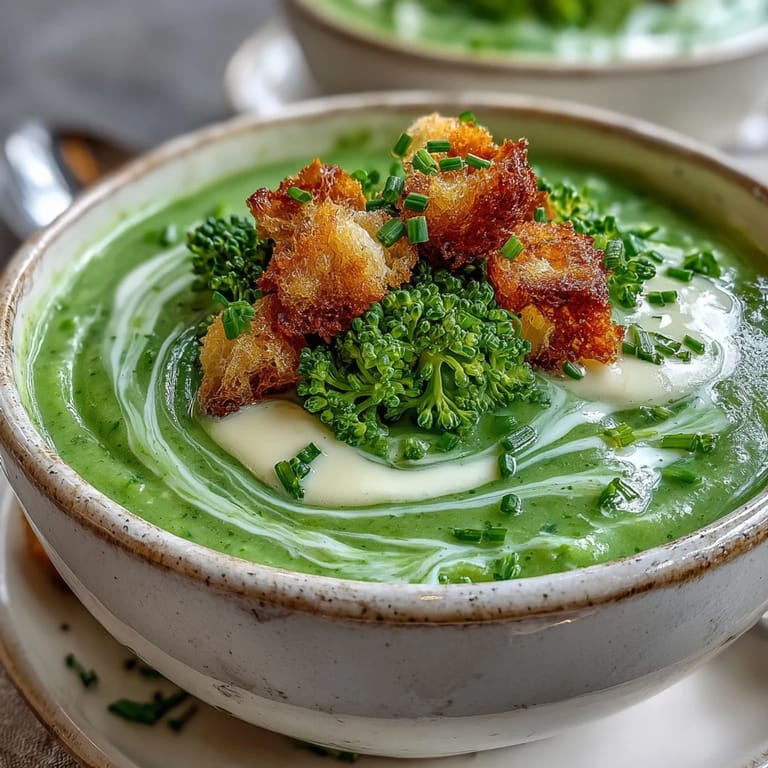
- Ladle the soup into bowls and top with whatever brings you joy—a drizzle of extra cream, a scatter of croutons, or some fresh chives if you have them on hand.
 Pin it
 There's something almost magical about how vegetables transform in a pot, how broccoli that seemed so ordinary becomes something that tastes like comfort itself. This soup has a way of making people slow down and actually taste what's in their bowl instead of rushing through lunch.
When Frozen Broccoli Is Your Best Friend
I used to think frozen broccoli meant you were cutting corners, but that changed the winter I had a broken wrist and couldn't chop vegetables. Frozen florets cook perfectly in this soup because they've already been cut to ideal size, and they soften so evenly that your final texture is often more consistent than with fresh. The flavor is just as good, the prep time drops to nothing, and honestly, on nights when cooking feels overwhelming, reaching for a bag of frozen broccoli makes this dish feel less like a project and more like something doable.
The Texture Question
Some people blend their broccoli soup until it's completely velvet, while others leave it slightly chunky because they like feeling the vegetables as they eat. I've made it both ways for different people, and I've learned that smooth is comforting when someone needs solace, and chunky is better when you want the soup to feel more substantial. Neither way is wrong—this recipe adapts to what you actually want in your bowl on any given day.
Building Flavor Beyond the Basic Recipe
The basic soup is wonderful, but over time I've discovered small additions that make it feel less ordinary. A teaspoon of lemon juice stirred in at the very end brightens everything without making it taste lemony, while a handful of spinach or kale adds color and lets you sneak in more greens without changing the essential character of the dish. White miso dissolved in a little warm broth before stirring it in adds umami depth that makes people pause and wonder what they're tasting.
- If you add spinach or kale, toss it in during the last 2 minutes of simmering so it wilts but keeps its color.
- A swirl of truffle oil or a few crispy sage leaves on top turns this into something special enough for guests.
- Roasted garlic cloves scattered on top add textural interest and a mellower garlic flavor than raw garlic would give.
 Pin it
 This soup has become the thing I make when I want to show someone I care without making a big production of it. There's real skill in making something simple taste this good.
Common Questions
- → Can I make this soup dairy-free?
Yes, simply substitute the heavy cream with your favorite plant-based cream and use olive oil instead of butter. The soup remains just as creamy and delicious.
- → How long does this soup keep in the refrigerator?
This soup stores well in an airtight container for 3-4 days. Reheat gently on the stove, adding a splash of broth or cream if needed to restore consistency.
- → Can I freeze this broccoli soup?
Absolutely! Let the soup cool completely before freezing in portions for up to 3 months. Thaw overnight in the refrigerator and reheat slowly.
- → What can I serve with this soup?
Rustic bread, crusty rolls, or a grilled cheese sandwich make excellent accompaniments. The soup also pairs well with a simple green salad for a complete meal.
- → How do I get the smoothest texture?
Use an immersion blender directly in the pot for convenience, or blend in batches using a standard blender. Ensure vegetables are completely tender before blending for the silkiest results.
- → Can I add other vegetables?
Yes, a handful of spinach or kale blends beautifully and adds extra nutrients. Cauliflower also works well for an even creamier texture without altering the flavor profile.