 Pin it
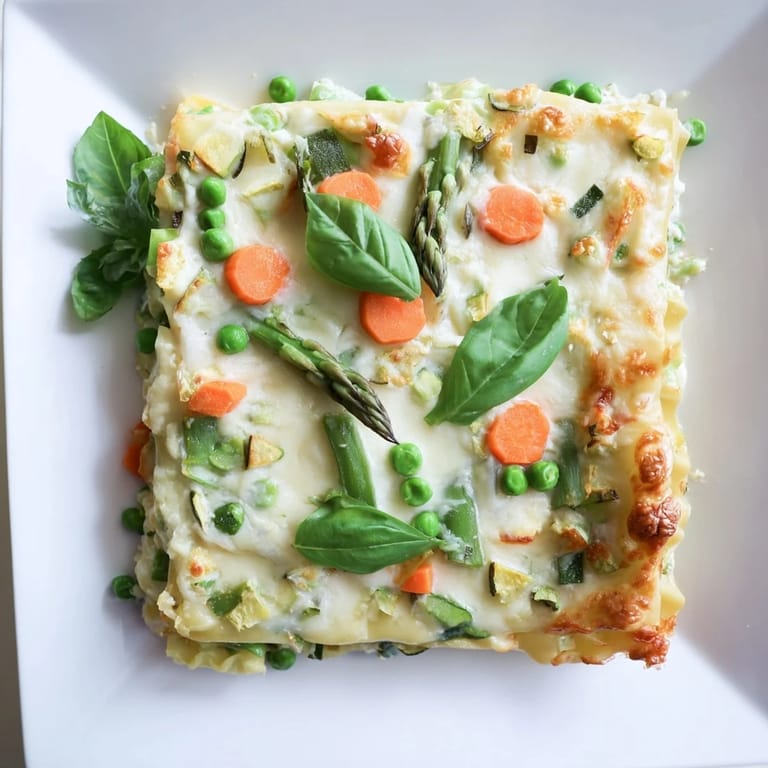
 The first time I made this lasagna, it was a rainy April Sunday and I was craving something comforting but not heavy. I had a farmers market haul of spring vegetables that needed using, and the idea of bright green asparagus and snap peas poking through creamy layers just felt right. My roommate wandered into the kitchen when it was bubbling away and immediately asked what smelled so incredible. That afternoon, with steam rising from our plates and rain still tapping against the windows, this became the kind of meal that makes you forget winter ever happened.
Last spring I made this for a dinner party where half the guests were skeptical about vegetarian lasagna. By the time I served seconds, the only conversation was about how surprising it was that something so creamy could taste so fresh. One friend actually texted me the next day saying she dreamed about the layers of vegetables and cheese. Now whenever someone asks what to make for a crowd that includes vegetarians and meat eaters alike, this is my immediate recommendation.
Ingredients
- 2 cups asparagus trimmed and cut into 1-inch pieces: Choose stalks that snap crisply rather than bend, and use the tender tops for the sweetest flavor
- 1 cup sugar snap peas trimmed and halved: Fresh snap peas should have a satisfying crunch when you bite into one raw
- 1 cup baby spinach roughly chopped: Baby spinach wilts beautifully into the layers without becoming watery like mature spinach
- 1 cup zucchini diced: Smaller dice ensures the zucchini cooks through evenly and distributes throughout every bite
- 1 cup carrots julienned or shredded: Julienned carrots add lovely color ribbons and a subtle sweetness that balances the ricotta
- 3/4 cup frozen peas thawed: Frozen peas are actually sweeter and more consistently tender than fresh peas in lasagna
- 2 cups part-skim ricotta cheese: Part-skim provides creaminess without making the lasagna overly heavy
- 1 cup shredded mozzarella cheese: Buy fresh mozzarella and shred it yourself for better melting
- 1/2 cup grated Parmesan cheese: Authentic Parmigiano-Reggiano makes a noticeable difference in the final flavor
- 3 cups light Alfredo sauce: Homemade sauce lets you control the salt, but a good quality jarred sauce works perfectly
- 9 no-boil lasagna noodles: These absorb excess moisture from the vegetables while cooking
- 2 cloves garlic minced: Fresh garlic should smell pungent and aromatic, not musty
- 2 tablespoons fresh basil chopped plus extra for garnish: Stack the basil leaves and roll them tight before slicing for perfect ribbons
- 1 tablespoon olive oil: A fruity, grassy olive oil complements the spring vegetables beautifully
- 1/2 teaspoon salt: Adjust this based on how salty your Alfredo sauce and Parmesan are
- 1/4 teaspoon freshly ground black pepper: Grind pepper fresh just before adding for the most aromatic punch
- 1/4 teaspoon crushed red pepper flakes optional: Even if you are sensitive to heat, this tiny amount adds complexity without real spice
Tired of Takeout? 🥡
Get 10 meals you can make faster than delivery arrives. Seriously.
One email. No spam. Unsubscribe anytime.
Instructions
- Preheat your oven and prepare the baking dish:
- Heat oven to 375 degrees and lightly grease a 9 by 13-inch baking dish with olive oil or cooking spray
- Sauté the spring vegetables:
- Heat olive oil in a large skillet over medium heat, add garlic and sauté for 30 seconds until fragrant, then add asparagus, snap peas, zucchini, and carrots and cook for 4 to 5 minutes until slightly tender
- Wilt the spinach and finish the vegetables:
- Stir in spinach and peas, cook for 1 minute until spinach just wilts, then season with salt, black pepper, and red pepper flakes, remove from heat, and stir in fresh basil
- Mix the ricotta filling:
- In a small bowl, combine ricotta cheese with half of the Parmesan cheese until well incorporated
- Begin the lasagna layers:
- Spread half cup of Alfredo sauce on the bottom of the prepared baking dish, then layer 3 no-boil noodles over the sauce
- Add the first filling layer:
- Top noodles with one-third of the ricotta mixture, one-third of the vegetable mixture, one-third cup mozzarella, and two-thirds cup Alfredo sauce, spreading each evenly
- Repeat the layers:
- Repeat layers twice more, finishing with remaining noodles, Alfredo sauce, mozzarella, and Parmesan cheese
- Bake covered:
- Cover tightly with foil and bake for 30 minutes until noodles are tender and sauce is bubbling
- Bake uncovered for golden topping:
- Remove foil and bake for an additional 15 minutes until cheese is golden and bubbly
- Rest before serving:
- Let rest for 10 minutes before slicing, which allows the layers to set for cleaner portions
 Pin it
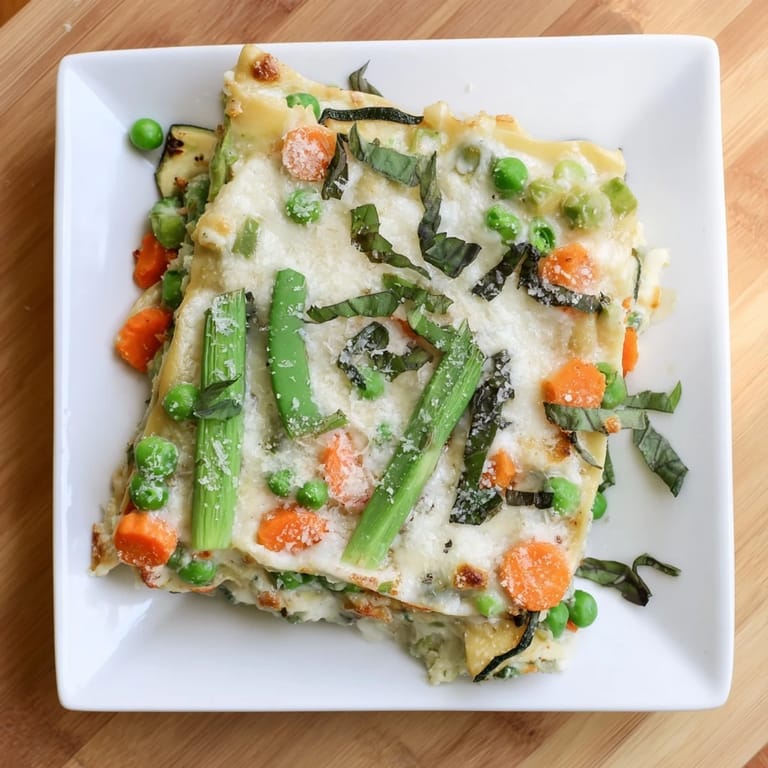
 This recipe became my go-to for new parents because it reheats perfectly and freezes beautifully without losing texture. I have delivered it to friends who just had babies, and they always mention how comforting it was to have something homemade that tasted like it came from a restaurant. There is something special about a dish that feels indulgent but leaves you feeling nourished instead of weighed down.
Choosing Your Spring Vegetables
I have learned that the success of this lasagna depends entirely on the quality and freshness of the vegetables. At the market, look for asparagus with tight, compact tips and stems that feel firm and moist. Snap peas should have a bright green color and make a satisfying snap when you bend them. If the vegetables look tired or wilted, the final lasagna will taste tired too. The beauty of this recipe is how adaptable it is, whatever looks best at the market that week will work beautifully.
Making It Your Own
After making this countless times, I have found that adding lemon zest to the ricotta mixture brightens everything in the most wonderful way. Sometimes I will add sautéed leeks in addition to the garlic for extra depth. In early summer, fresh peas work beautifully in place of frozen. The key is keeping the vegetable proportions roughly the same so the layers still hold together properly. Trust your instincts about what looks good and what your family enjoys.
Timing And Prep Tips
I like to prep all the vegetables while the oven preheats, which makes the assembly go smoothly. You can blanch the asparagus and snap peas for 2 minutes in boiling water if you prefer them very tender, but I love the slight crunch they retain from quick sautéing. The Alfredo sauce can be made up to 3 days ahead and stored in the refrigerator. Everything comes together quickly if you have your mise en place ready before you start cooking.
- Set out all ingredients before beginning assembly
- Warm the Alfredo sauce slightly if it has been refrigerated
- Have your baking dish ready before you start layering
 Pin it
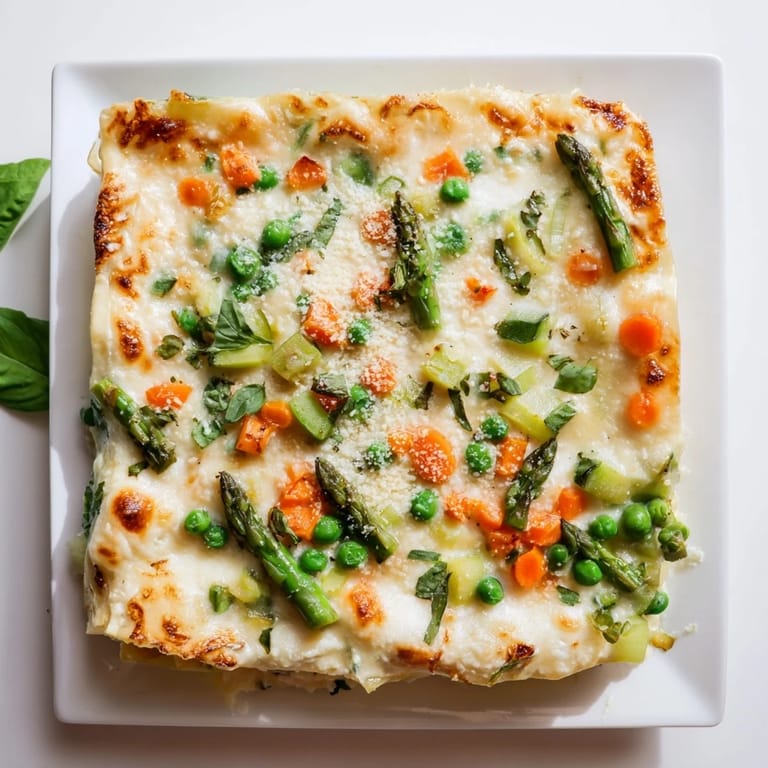
 This lasagna captures everything I love about spring cooking, fresh ingredients treated simply and layered into something comforting and beautiful. Hope it brings bright moments to your table too.
Common Questions
- → Can I make this ahead of time?
Yes, assemble the entire dish up to 24 hours in advance, cover tightly, and refrigerate. Add 5-10 minutes to the covered baking time if cooking from cold.
- → What other vegetables work well in this?
Leeks, artichoke hearts, bell peppers, or broccoli make excellent additions. Just keep the total vegetable amount consistent and adjust cooking times as needed.
- → Can I freeze this lasagna?
Absolutely. Assemble, wrap tightly in plastic and foil, then freeze for up to 3 months. Thaw overnight in the refrigerator before baking as directed.
- → Do I really need no-boil noodles?
No-boil noodles work best here as they absorb excess moisture from the vegetables. Traditional boiled noodles can make the dish too soggy, though you can par-boil regular noodles for 2-3 minutes if needed.
- → How can I make this lighter?
Use part-skim ricotta and reduced-fat Alfredo sauce. Increase the vegetable ratio and decrease cheese slightly. The vegetables already provide plenty of flavor and texture.
- → Why let it rest before serving?
Resting for 10 minutes allows the layers to set, making cleaner slices and preventing the cheese from running when cut. The dish will hold its shape much better.